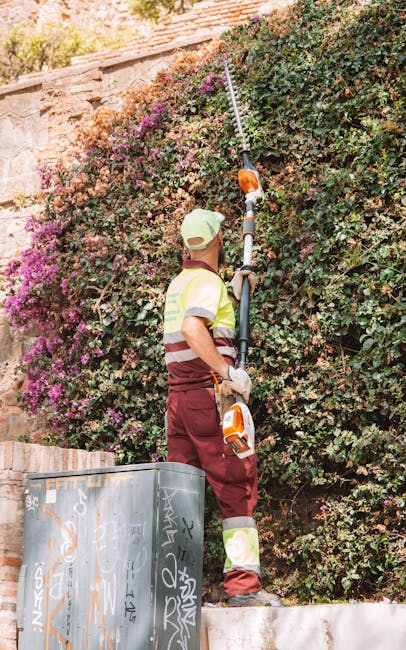
Avoid hidden charges when hiring Seven Sisters gardeners
If you have ever agreed a "simple" garden job and then watched the bill creep up afterwards, you will know why this topic matters. Hidden charges can turn a tidy afternoon's work into an awkward conversation, and nobody wants that. When you are trying to avoid hidden charges when hiring Seven Sisters gardeners, the real goal is straightforward: get clear pricing, understand what is included, and make sure everyone knows the scope before the first spade goes in the soil.
That sounds obvious, but in practice it is where many homeowners, landlords, and busy property managers get caught out. A quote may look fine at first glance, then extra fees appear for waste removal, access issues, overgrown borders, parking, materials, or "additional labour". The good news? Most of this can be prevented with a few calm, sensible checks before work begins. This guide walks you through the whole process in plain English, so you can compare gardeners properly, ask the right questions, and feel confident about what you are paying for.
For a fuller view of the services and standards behind a professional gardening visit, it can also help to review the company's services overview and pricing and quotes information before you book.
Table of Contents
- Why Avoid hidden charges when hiring Seven Sisters gardeners Matters
- How Avoid hidden charges when hiring Seven Sisters gardeners Works
- Key Benefits and Practical Advantages
- Who This Is For and When It Makes Sense
- Step-by-Step Guidance
- Expert Tips for Better Results
- Common Mistakes to Avoid
- Tools, Resources and Recommendations
- Law, Compliance, Standards, or Best Practice
- Options, Methods, or Comparison Table
- Case Study or Real-World Example
- Practical Checklist
- Conclusion
- Frequently Asked Questions
Why Avoid hidden charges when hiring Seven Sisters gardeners Matters
Hidden charges are not just annoying. They change the way you judge value, and sometimes they change whether the job is even worth doing. A quote that starts low can end up being more expensive than a clearer, slightly higher estimate from the beginning. Let's face it, most people would rather pay a fair price once than spend a week chasing down "extras" after the hedges are cut.
In Seven Sisters, where gardens can range from compact courtyard spaces to shared terraces and larger family plots, small details matter. Access, disposal, seasonal growth, and the condition of the garden can all affect the work. That is normal. What should not happen is vague pricing that leaves the customer guessing.
Clear pricing matters for three simple reasons:
- It protects your budget. You can plan properly and avoid surprise add-ons.
- It improves trust. A transparent gardener makes decisions easier from the start.
- It keeps the job moving. Less arguing, less confusion, fewer delays.
There is also a practical side. If you are comparing multiple quotes, hidden charges make it very hard to know which gardener actually offers the best value. One company may seem more expensive, but if it includes labour, light waste removal, and clear payment terms, it may be the better deal. Another may quote low and then drip-feed extra costs later. That is the kind of thing that catches people out on a damp Tuesday morning when the bins are already full and the hedge cuttings are piling up.
Expert summary: The safest way to avoid surprise garden costs is to insist on an itemised quote, confirm what is excluded, and get the job scope agreed in writing before work starts.
How Avoid hidden charges when hiring Seven Sisters gardeners Works
To avoid hidden charges, you are really doing three things at once: defining the job, checking the price structure, and confirming the terms of service. That may sound a bit formal, but it does not have to be. A good gardener should welcome clear questions. In fact, a professional who is open about pricing usually makes the whole process much easier.
1. Define the job properly
Start with the actual tasks. Is it lawn mowing only? Hedge trimming too? Border tidying? Seasonal clearance? Waste bagging? The more specific you are, the less room there is for misunderstandings. A quick photo walk-through can help if the garden is overgrown or you are not sure how much work is involved.
2. Understand what the quote covers
Some quotes are all-in. Others are partial. The difference matters. A transparent quote should say whether it includes labour, travel, tools, basic disposal, and any special materials. If anything is unclear, ask. A simple "Is that price inclusive of everything needed for the visit?" can save a lot of trouble later.
3. Check for likely extras
Gardeners may need to charge extra for things that genuinely fall outside the original scope. That might include bulky green waste, severe overgrowth, repeated visits, difficult access, or unexpected jobs added on the day. The key is not whether extras exist. The key is whether they were explained clearly beforehand.
4. Confirm payment terms
Some hidden charge problems are really payment misunderstandings in disguise. Is payment due after completion? Is a deposit required? Are card payments supported? Are invoices provided? For practical payment clarity, the company's payment and security information is worth checking before any booking is confirmed.
5. Keep the agreement in writing
An email, booking summary, or written quote is far better than a vague phone conversation that nobody remembers the same way. If the gardener later needs to adjust the price because the job changed, you will have a reference point. That is not being awkward. That is just sensible.
Sometimes people worry that asking these questions sounds distrustful. It really does not. It sounds organised. And honestly, organised customers tend to get better service because everyone starts on the same page.
Key Benefits and Practical Advantages
Taking time to avoid hidden charges gives you more than money saved. It improves the whole experience, from the first call to the final sweep-up. There is a nice feeling when a job ends cleanly, with no strange line items appearing later.
- Clearer budgeting: You can plan around a known cost instead of guessing.
- Better comparisons: You can compare like-for-like quotes, not apples and pears.
- Less stress: No awkward back-and-forth after the work is done.
- Better accountability: Written terms make it easier to resolve disputes if they arise.
- Higher service quality: Transparent businesses often operate with clearer processes overall.
There is also a subtle benefit that people miss: clear pricing often reflects clear operations. If someone can explain how they charge, how they handle waste, and what happens if a job expands, they are usually thinking carefully about service quality too. That is a good sign.
For example, if a gardener explains that the quote covers mowing and edging but not major clearance work, you can decide whether to add that in now or postpone it. No pressure. No mystery. Just a practical decision.
Who This Is For and When It Makes Sense
This approach is useful for almost anyone hiring garden help in Seven Sisters, but it is especially valuable if you are:
- a homeowner booking one-off or seasonal garden maintenance
- a landlord preparing a property between tenancies
- a tenant responsible for an outdoor space
- a busy family who needs regular maintenance without surprises
- a business or small property manager looking after a front garden or shared outside area
It matters most when the garden is not straightforward. Overgrown lawns, boundary hedges, neglected beds, access through narrow side passages, or waste that needs removing can all affect the final cost. If the job sounds simple but actually has a few quirks, hidden charges are more likely to appear unless the scope is pinned down early.
This is also useful if you are comparing local providers and trying to choose between a low quote and a fuller service package. The cheapest price is not always the cheapest outcome. Truth be told, that is a lesson many people only learn once.
If you want a sense of who you are dealing with before you even ask for a quote, the about us page can help you judge whether the business feels transparent and well set up.
Step-by-Step Guidance
Here is a practical way to avoid hidden charges without turning the whole thing into a mini legal exercise. Keep it simple, but be thorough.
- List the exact work needed. Write down every task: mowing, trimming, pruning, leaf clearance, weeding, green waste removal, and any access concerns.
- Share photos or a short video. This helps the gardener judge the job more accurately, especially if you are not on-site.
- Ask for an itemised quote. Make sure the quote shows what is included and what could cost extra.
- Ask about waste disposal. Green waste is a common source of surprise costs. Clarify whether bagging and removal are included.
- Confirm labour assumptions. Does the price assume a normal-sized visit, or could additional time trigger a higher fee?
- Check access and parking issues. If there is limited parking or difficult entry, ask whether that affects the price.
- Ask what happens if the job changes. If the gardener finds more work than expected, how will they agree the extra cost with you?
- Keep the final agreement. Save the email or message thread. It is boring, yes. Also very useful.
A small but important habit: never assume "standard" means the same thing to both sides. Standard for one company might include edging, while another treats it as an add-on. Ask. Early. It takes thirty seconds and can save a decent amount of hassle.
A simple phrase that helps
You can say: "Before I go ahead, can you confirm exactly what is included in the price and whether anything could be added later?" That one sentence does a lot of heavy lifting.
Expert Tips for Better Results
Here are the little things that tend to make the biggest difference. Not glamorous, but they work.
- Compare the scope, not just the price. Two quotes that look similar may cover very different work.
- Ask for a visit if the garden is complex. A quick assessment can prevent underquoting.
- Be specific about waste. "Leave all cuttings on-site" is very different from "remove all waste".
- Watch for vague words. Phrases like "may incur additional charges" are fine only if they are explained clearly.
- Check if ongoing maintenance is cheaper. Regular visits can sometimes be simpler and more predictable than one-off reactive work.
- Use photos for proof of condition. Especially before a large clearance or first-time tidy-up.
In our experience, the best quote discussions feel almost boring. That is a compliment. Boring pricing conversations usually mean the job is well scoped and there are no hidden tricks waiting in the wings.
If sustainability matters to you as well as price, you may want to look at the company's recycling and sustainability approach, particularly if the work includes a fair amount of green waste.
Common Mistakes to Avoid
Most hidden-charge problems come from simple, avoidable mistakes. Nothing dramatic. Just small oversights that add up.
- Accepting a vague verbal quote. If it is not written down, it is easy to misremember.
- Not asking about waste removal. This is one of the most common extras.
- Assuming all services are bundled. A mow-and-tidy job is not always the same as full garden maintenance.
- Skipping the photo stage. If the gardener cannot see the condition in advance, the quote may be less accurate.
- Forgetting access details. Locked gates, narrow passages, shared entrances, and parking restrictions can all matter.
- Ignoring terms and conditions. A quick read can prevent a headache later.
There is one more mistake worth mentioning. People sometimes chase the lowest price so hard that they stop asking questions. Fair enough, everyone likes a bargain. But a bargain is only a bargain if the final invoice still makes sense.
Tools, Resources and Recommendations
You do not need a complex system to keep garden costs transparent. A few basic tools are enough.
- Phone camera: Use it to record the garden before work starts, especially for bigger jobs.
- Notes app: Keep a checklist of tasks you want included.
- Email or message thread: Store the quote and any clarifications in one place.
- Simple comparison table: Compare what each gardener includes, not just the total price.
It also helps to review useful company information pages before you book. For example, the insurance and safety page can reassure you that the work is being carried out with proper care, while the health and safety policy gives a clearer sense of how the business approaches site safety and responsibilities.
If you are the kind of person who likes to read the fine print first, the terms and conditions and complaints procedure are worth a quick look too. They help you understand what happens if something needs clarifying after the visit. Not exactly thrilling bedtime reading, but useful all the same.
Law, Compliance, Standards, or Best Practice
For garden services, the biggest compliance concerns are usually practical rather than dramatic: clear pricing, fair contract terms, safe working practices, insurance, and proper handling of waste. You do not need to turn into a contract lawyer to protect yourself, but a few best-practice habits make a real difference.
In the UK, reputable service providers generally aim to be transparent about what is included, what is optional, and what might trigger additional costs. That is especially important where the work involves equipment, ladders, sharp tools, or potentially hazardous conditions. If a business has a clear payment and security process, and openly explains its safety approach, that is usually a positive sign.
It is also sensible to expect honest communication around anything that affects price or safety. For example, if a garden contains unstable ground, broken paving, or significant waste, a good provider should flag that early rather than quietly adding it later. Best practice is simple: no surprises, no guesswork, no burying the awkward bit under a cheerful invoice.
Some customers also like to ask about responsible sourcing and ethical working practices. If that matters to you, the company's modern slavery statement is another trust signal worth reviewing. It is not directly about pricing, but it does speak to the standards behind the service.
Options, Methods, or Comparison Table
One of the easiest ways to avoid hidden charges is to compare quote styles. Not all estimates are equal, and the cheapest headline number can be deceptive.
| Quote type | What it usually means | Risk of hidden charges | Best for |
|---|---|---|---|
| Fixed quote | A set price for a clearly defined job | Lower, if the scope is accurate | Known tasks with clear access and waste details |
| Estimate | A guide price that may change after inspection | Medium | Jobs where the condition is partly unknown |
| Hourly rate | You pay for time spent on site | Medium to higher, depending on clarity | Flexible work, ongoing maintenance, changing conditions |
| Bundle or maintenance plan | Regular visits with agreed tasks | Often lower, if the plan is well defined | Recurring garden care and predictable upkeep |
If you are unsure which method suits you, think about the garden itself. A small front garden with a clear list of tasks may suit a fixed quote. A neglected space with lots of unknowns may be better handled with a visit and a carefully explained estimate. Either way, the main aim is the same: no later surprises.
Case Study or Real-World Example
Imagine a ground-floor flat in Seven Sisters with a narrow rear garden. The owner wants mowing, light pruning, and a tidy-up before a family visit. The first quote looks good, but it only covers mowing. Waste removal is extra. Pruning is extra. And because access is through a shared side passage, the gardener also needs more time than expected.
Now compare that with a clearer approach. The owner sends photos, explains the access route, lists the tasks, and asks for an itemised quote. The gardener responds with a price that includes mowing, light pruning, bagging the waste, and a note that heavier clearance would need a separate agreement. No drama. No guesswork.
The second approach may not always be cheaper on paper, but it is usually better value in real life. Why? Because the customer knows exactly what they are paying for, and the gardener knows exactly what needs doing. That tiny bit of clarity can save a surprising amount of friction.
It is one of those little moments where adult life is less exciting than people promised, but at least it is clear. And clear is good.
Practical Checklist
Use this checklist before you approve any gardening job.
- Have I listed every task I want completed?
- Have I shared photos or a short description of the garden condition?
- Do I know whether waste removal is included?
- Have I checked whether access, parking, or difficult entry affects the price?
- Is the quote itemised or otherwise clearly explained?
- Do I understand what is excluded from the price?
- Have I confirmed the payment method and timing?
- Have I saved the quote or agreement in writing?
- Do I know what happens if extra work is identified on the day?
- Have I reviewed the relevant service and trust pages, including services overview, pricing and quotes, and insurance and safety?
Quick rule of thumb: if a price sounds unusually simple, double-check what is hiding behind that simplicity. Not in a suspicious way - just in a sensible one.
Conclusion
Avoiding hidden charges when hiring Seven Sisters gardeners is not about being difficult. It is about being clear. Ask what is included, ask what is not, and get the details in writing before work begins. That one habit will protect your budget, reduce stress, and help you compare services properly.
For most people, the best experience comes from choosing a gardener who explains things plainly, prices work honestly, and communicates well if the job changes. That is the sweet spot. No surprises, no mystery, no awkward invoice later on.
If you are ready to move forward, take a moment to check the service details, confirm what you need, and ask for a quote that matches the real job rather than a hopeful guess.
Get a free quote today and see how much you can save.
And if you do nothing else, remember this: a careful quote today is worth far more than a confusing bill tomorrow. That peace of mind counts for a lot.
Frequently Asked Questions
How do I avoid hidden charges when hiring gardeners in Seven Sisters?
Ask for an itemised quote, confirm what is included, check whether waste removal is covered, and keep the agreement in writing. A clear scope is the best protection.
What extra charges should I ask about before booking garden work?
Ask about waste disposal, access problems, parking, materials, heavy clearance, and any work that might take longer than expected. Those are the most common sources of surprise costs.
Is a fixed quote better than an hourly rate?
Neither is automatically better. A fixed quote works well for clearly defined jobs, while an hourly rate can suit flexible or unpredictable work. The key is knowing exactly how pricing is calculated.
Should waste removal be included in a gardener's price?
It often can be, but not always. Some gardeners include basic bagging and removal, while others charge separately. Always ask before the job starts.
What should a proper gardening quote include?
A proper quote should explain the tasks covered, the price, any exclusions, likely extras, and the payment terms. If it is too vague, ask for more detail.
Can access to my garden affect the final price?
Yes. Narrow side access, shared entry points, parking restrictions, or carrying equipment a long way can affect labour time and may change the quote.
How do I compare two gardeners fairly?
Compare the scope, not just the total number. One quote might include waste removal and edging, while another may not. A cheaper quote is not always better value.
What if the gardener finds more work on the day?
A good gardener should explain the issue and agree any extra cost with you before continuing. That is why clear communication matters so much.
Are terms and conditions worth reading for garden services?
Yes, even a quick read can help. They usually explain payment timing, cancellation points, and what happens if the job changes. Boring, yes, but useful.
How can I tell if a gardener is trustworthy?
Look for clear pricing, straightforward communication, sensible safety information, and a willingness to answer questions without dodging them. Transparency is often the strongest trust signal.
Do regular garden maintenance visits reduce the risk of hidden charges?
Often they do. Regular visits are usually easier to scope and price because the garden stays more predictable, which helps keep costs steady.
Where can I check service details before I book?
Start with the company's services overview and pricing and quotes pages, then review the trust and policy pages if you want extra reassurance.