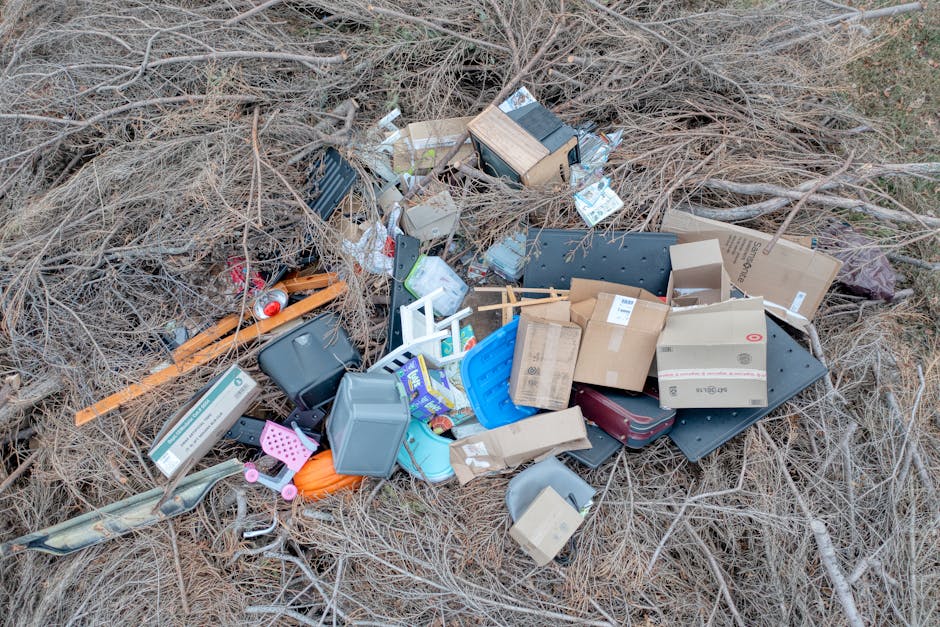
Garden waste disposal fines in Haringey: what to know before you put anything out
If you live or work in Haringey and you are dealing with piles of grass cuttings, hedge trimmings, branches, or old turf, the last thing you want is a fine for getting rid of garden waste the wrong way. And yet, it happens more often than people think. A bag left beside the wrong bin, a load dumped near a hedge, or a mixed sack of soil and clippings can quickly turn a tidy garden job into a costly headache.
This guide on Garden waste disposal fines in Haringey what to know breaks down the practical side of disposal, the risks that trigger penalties, and the simplest ways to stay on the right side of local rules. It is written for homeowners, landlords, tenants, gardeners, and anyone who has ever looked at a mountain of green waste and thought, "Right... now what?"
We will keep it plain-English, local, and useful. No fluff. Just the stuff that matters: what counts as garden waste, what councils tend to care about, how fines usually arise, and the smarter ways to avoid them in the first place.
Table of Contents
- Why this matters in Haringey
- How garden waste disposal fines usually work
- Key benefits of doing disposal properly
- Who needs to pay attention most
- Step-by-step guidance
- Expert tips for avoiding problems
- Common mistakes to avoid
- Tools, resources and recommendations
- Law, compliance and best practice
- Options and comparison table
- Case study / real-world example
- Practical checklist
- Conclusion
- Frequently asked questions
Why Garden waste disposal fines in Haringey what to know Matters
Garden waste seems harmless. It is just leaves, grass, and the odd twig, after all. But local enforcement is usually less interested in what the waste is and more interested in how it is handled. If it is fly-tipped, left in the wrong place, mixed with inappropriate material, or put out in a way that breaks local collection rules, a fine can follow.
In a busy borough like Haringey, there is a real difference between a proper disposal plan and a quick fix that saves ten minutes today but causes trouble later. A neighbour may report a pile of waste left on the pavement. A collection crew may refuse contaminated bags. Or a contractor may not handle the waste properly and the problem comes back to you. Not ideal, to put it mildly.
What makes this topic worth understanding is that many people assume garden waste is low-risk. Truth be told, that assumption is where the trouble starts. Garden waste can become a compliance issue when it is mixed with general rubbish, bags are ripped open, sharp cuttings spill onto public land, or waste is abandoned instead of transferred to a legitimate disposal route.
Practical takeaway: the safest approach is simple: keep green waste separate, keep records if someone else removes it, and never assume "natural" means "no rules."
For people managing larger gardens, shared properties, or ongoing maintenance, it is also worth thinking about the whole system, not just one-off clearance days. Regular care through a service like garden maintenance can reduce the amount of debris building up in the first place, which makes disposal easier and cheaper. If the job is bigger, garden clearance may be the cleaner route.
How Garden waste disposal fines in Haringey what to know Works
There is no single "garden waste fine" rule that covers every situation in one neat box. In practice, fines tend to arise when waste is handled in a way that breaches local rules or broader waste law. That could mean placing waste where it should not be, dumping it, leaving it unsecured, or giving it to someone who cannot lawfully carry or dispose of it.
The process often looks like this:
- Waste is generated through mowing, pruning, hedge trimming, tree work, or clearance.
- The waste is stored or presented for collection, removal, or transport.
- A problem occurs because the waste is mixed, dumped, left out incorrectly, or handled by the wrong person.
- Enforcement action may follow if the council or another authority links the waste to your address, your vehicle, or your contractor.
That last point matters. Many people think they are safe once someone else has taken the bags away. Sometimes yes, sometimes no. If the person you hired is not reputable, or if the waste is later found dumped in a lane, beside garages, or under a hedge, you can still end up explaining what happened. A bit awkward, and expensive besides.
Garden waste disposal fines in Haringey are usually less about the green bin itself and more about conduct: contamination, illegal dumping, obstruction, or irresponsible disposal. For example, grass cuttings mixed with broken pots, general household rubbish, or soil in heavy sacks can create avoidable issues. Branches and hedge trimmings can also become a problem if they are left protruding into a public footway, where they may block access or create a safety risk.
If you are not sure whether your waste load is too much for a simple bin-side collection, it may be wiser to organise proper removal through services that already handle bulky garden debris. Services such as lawn mowing, hedge trimming, and tree lopping and removal can be part of a more controlled maintenance plan, especially for larger plots.
Key Benefits and Practical Advantages
Handling garden waste properly is not just about avoiding penalties, although that is obviously a big one. It also makes the whole job cleaner, safer, and easier to live with. You notice it straight away when a garden has been managed well: fewer bags lying around, less smell from rotting cuttings, fewer slippery patches after rain, and a lot less stress.
- Lower risk of fines because waste is disposed of responsibly.
- Less mess and clutter around the property.
- Better neighbour relations when waste does not spill into shared spaces.
- Improved safety by reducing trip hazards and obstruction.
- More efficient garden care because waste is dealt with as part of the job, not left to pile up.
There is also a practical business benefit for landlords, letting agents, and property managers. A clear disposal process reduces complaints and cuts down on repeat visits. If you are overseeing several homes or rental properties, consistency matters. One sloppy clear-out can create a lot of follow-up work. Nobody needs that on a wet Tuesday afternoon.
For households trying to keep costs under control, proper planning can also avoid the hidden expense of re-handling waste. If clippings, branches, and soil are sorted well at the start, there is less chance of paying extra because the load was contaminated or oversized. It sounds boring. It is boring. But boring is cheaper here.
If waste reduction is part of a bigger property plan, services that support ongoing upkeep may help. A site-wide approach through recycling and sustainability principles and a structured services overview can make your maintenance routine feel much more manageable.
Who This Is For and When It Makes Sense
This topic matters most if you:
- have a garden that produces regular green waste;
- are clearing a property after a long period of neglect;
- rent out a home and want to avoid tenant disputes;
- manage communal outdoor spaces;
- have hired someone to remove waste and want to check they are doing it properly;
- are preparing for a property sale, tenancy change, or seasonal tidy-up.
It also makes sense if your garden work tends to produce heavier or mixed waste. Think branches, roots, ivy, soil, timber offcuts, and old decorative materials. Once you start dealing with mixed materials, disposal gets trickier. A bag of grass is one thing; a pile of soil, cut stems, and broken edging is another entirely.
For people doing regular upkeep, the need is less dramatic but more constant. You might not have a huge clearance once a year. Instead, you have a steady stream of cuttings every fortnight. That is where ongoing garden maintenance can be useful, because it stops waste from becoming a mini landfill situation in the shed. It happens. Fast, sometimes.
And if your issue is not just waste but a garden that has become overgrown and awkward to access, the right starting point may be a full tidy rather than piecemeal disposal. That is where garden clearance usually makes more sense than trying to tackle it in stages with a wheelbarrow and hope.
Step-by-Step Guidance
If you want to avoid fines and keep the process straightforward, a calm, structured approach works best. No drama. Just do it in order.
- Sort the waste properly. Keep grass, leaves, hedge cuttings, branches, soil, and general rubbish separate where possible. Mixed waste is where problems begin.
- Check whether the waste is suitable for collection. If it is too heavy, too bulky, or contaminated, it may need a different removal method.
- Store it safely. Do not leave bags where they can spill onto pavements, drains, or shared access routes.
- Use a lawful removal route. If a contractor is taking the waste, make sure the arrangement is clear and reputable.
- Keep a simple record. Even a basic note of who collected the waste and when can be helpful if questions arise later.
- Prevent repeat issues. Build waste handling into your routine so the next tidy-up is easier.
Here is a straightforward rule of thumb: if you would not be comfortable leaving the bags where a passer-by could see and question them, you probably need a better disposal setup. That sounds obvious, but it is a good reality check.
For larger hedge work, especially where cuttings are awkward and branchy, a service like hedge trimming can help reduce the volume and shape of the waste more predictably. Likewise, if there are mature trees involved, controlled work through tree lopping and removal is often safer than trying to improvise with household tools.
Expert Tips for Better Results
In our experience, the cleanest garden waste jobs are the ones where the disposal plan is considered before the first cut is made. That saves time later. A lot of time, actually.
- Plan disposal before pruning. If you already know where branches and clippings are going, you will cut more efficiently.
- Use the right container size. Overfilled bags are awkward to move and more likely to split.
- Keep wet waste separate where possible. Wet grass is heavy and can make bags tear or become unmanageable.
- Avoid mixing in hard waste. Stones, broken terracotta, plastic, and household rubbish make the load messier and riskier.
- Schedule clear-outs before the pile becomes unmanageable. The longer waste sits, the harder it is to deal with.
- Choose routine care over panic clean-ups. Small regular jobs usually cost less than one giant scramble later.
A small but useful habit is to take a quick look at access routes before loading anything out. Is there room to move sacks without blocking the pavement? Will wet leaves make the path slippery? These little checks are often what separate a tidy job from a problem.
And yes, sometimes the simplest answer is to bring in help early. Not because people cannot do it themselves, but because one overgrown corner can turn into an all-day slog if you are not set up for it. Been there. It is not glamorous.
Common Mistakes to Avoid
Most disposal fines are avoidable. The trouble is, the mistakes look minor at the time.
- Leaving waste in the wrong place. Even temporary dumping can become a fine if it is treated as fly-tipping or obstruction.
- Mixing garden waste with general rubbish. Councils and collectors often reject contaminated loads.
- Using unverified removal help. If someone offers a cheap, no-questions-asked service, be careful. Very careful.
- Overfilling bins or bags. That is how spills happen.
- Ignoring wind and weather. A light heap of leaves can travel farther than you expect on a breezy day.
- Assuming all green waste is harmless. Large branches, thorny cuttings, and heavy soil can still create public safety or disposal issues.
One common scenario is a rushed weekend clean-up. The lawn gets mowed, the hedge gets cut, and then the waste is shoved into whatever bags are lying around. Looks fine in the moment. Then the bags split on the driveway, bits scatter near the kerb, and now you have more work and more risk. Not worth it.
If you are planning larger outdoor changes, it may also help to combine disposal with improvement work. For example, landscaping changes can reduce awkward corners where waste tends to collect, while landscape gardening can make ongoing maintenance much more predictable.
Tools, Resources and Recommendations
You do not need a full professional setup to manage garden waste well, but a few basics make life easier.
| Tool / resource | What it helps with | Best for |
|---|---|---|
| Strong garden waste bags | Collecting clippings, leaves, and light cuttings | Routine tidies and lawn work |
| Tarpaulin | Keeping waste contained while you work | Pruning and larger clear-ups |
| Rake and leaf grabbers | Gathering loose debris quickly | Autumn leaf fall and lawn cleanup |
| Secured storage area | Holding waste safely before removal | Busy homes and shared properties |
| Professional maintenance plan | Reducing waste volume over time | Ongoing care and larger gardens |
From a practical standpoint, the best recommendation is usually not "buy more stuff," but "build a more sensible routine." The right tools help, yes, but the real savings come from staying ahead of the waste. If you are already planning other improvements, such as decking or structural changes, it can be smart to coordinate with decking services or broader landscaping so waste disposal is part of the project, not an afterthought.
And if your priority is choosing a reliable provider, a straightforward starting point is to review the company's about us information, then check practical pages like insurance and safety, health and safety policy, and pricing and quotes. That gives you a better feel for how they work before you hand over the job.
Law, Compliance, Standards, or Best Practice
Garden waste disposal in the UK is shaped by a mix of waste law, local collection rules, and general duty of care principles. You do not need to memorise legislation to stay safe, but you do need to act responsibly. The basic idea is simple: if you produce waste, you are responsible for making sure it is managed properly.
In practical terms, best practice usually means:
- keeping garden waste separate from household rubbish wherever possible;
- using approved or legitimate removal routes;
- avoiding public obstructions and spillages;
- not leaving waste in a way that could be considered abandonment or fly-tipping;
- checking that any third party you use is reputable and understands waste handling responsibilities.
For residents in Haringey, the exact enforcement approach can depend on the nature of the issue, the location, and whether the matter is linked to nuisance, dumping, or obstruction. So, while it is sensible to be alert to fines, it is equally sensible not to guess the outcome of any specific case. The safe bet is to keep disposal tidy, traceable, and well managed.
If you are dealing with regular property upkeep, having clear service terms and payment expectations can help avoid confusion too. That is where pages like terms and conditions and payment and security can be useful for setting the tone and expectations early.
Options, Methods, or Comparison Table
There is more than one way to deal with garden waste, and the "best" option depends on volume, timing, access, and how cleanly the waste is sorted.
| Method | Best for | Pros | Watch out for |
|---|---|---|---|
| Routine bin-side collection | Small, light, well-sorted waste | Simple and low effort | Limits on volume, contamination, and timing |
| DIY transport | People with vehicles and time | Flexible and direct | Spillage, load security, and disposal destination |
| Professional clearance | Large, awkward, or urgent jobs | Less stress, quicker finish | Choose a trusted provider and clear terms |
| Ongoing maintenance plan | Gardens that generate waste regularly | Prevents build-up and repeated hassle | Needs regular scheduling |
In many real-world cases, the most cost-effective option is not the cheapest one on paper. It is the one that prevents mistakes, rework, and avoidable penalties. A tidy, planned clearance can look more expensive upfront, but it may save money if the alternative is repeated handling, complaint calls, or a nasty fine.
If you are comparing service levels, you may also want to see how a provider approaches services overview and sustainability through recycling and sustainability. Those pages can tell you a lot about whether the business thinks beyond the immediate job.
Case Study or Real-World Example
Imagine a terraced property in Haringey after a few weeks of spring growth. The lawn needs cutting, the hedges are getting shaggy, and a small fruit tree has shed a mess of twigs into the side passage. The owner decides to do everything in one go over the weekend. Sensible enough so far.
Halfway through, the waste starts to stack up: grass in one pile, hedge trimmings in another, and a few old plastic plant pots that were left in the border, because of course they were. The first instinct is to shove it all into one large bag and leave it by the front wall until later. That is where things become risky.
A better approach would be to separate the waste immediately, keep it off the pavement, and arrange removal or collection before the bags overrun the space. If the tree or hedge work is substantial, it could be worth booking part of the job through a more structured service rather than attempting a one-off cleanup with general household sacks. In real life, this often saves two trips, one argument, and a muddy boot or two.
The lesson is not that people cannot manage their own gardens. They absolutely can. The lesson is that disposal should be treated as part of the job, not the final panic stage.
Practical Checklist
Use this before you put out, move, or hand over any garden waste.
- Have I separated green waste from household rubbish?
- Are the bags or containers strong enough for the load?
- Will the waste block pavements, driveways, or shared access routes?
- Is the removal method appropriate for the volume and weight?
- Do I know who is collecting or transporting the waste?
- Have I avoided mixing soil, hard rubbish, and cuttings unless the route accepts it?
- Is the waste secured from wind, rain, and spillages?
- Have I checked whether a maintenance or clearance service would be simpler?
- Do I need to keep a note or receipt for the removal?
- Would I be comfortable explaining this setup if someone asked about it tomorrow?
That last question is a good one. Slightly cheeky, maybe, but useful.
Get a free quote today and see how much you can save.
Conclusion
Garden waste disposal fines in Haringey are usually avoidable when you handle waste carefully, keep it separated, and choose the right disposal route. The biggest risks come from rushed decisions: dumping waste where it should not be, mixing materials, or trusting the wrong person to take it away.
If you remember just one thing, make it this: garden waste is only low-stakes when it is managed properly. Once it is left in the wrong place, or handled carelessly, the cost and hassle can rise fast. A little planning goes a long way. Honestly, that is true for most garden jobs.
Whether you are tidying a small courtyard or clearing a bigger overgrown plot, the calmest approach is the best one. Sort it, secure it, remove it properly, and keep the process simple. That way the garden ends up looking better, the street stays tidy, and you can actually enjoy the result on a quiet evening after the noise has stopped.
And yes, there is something satisfying about looking at a clean border, hearing nothing but the wind in the shrubs, and knowing the waste is gone for good.
Frequently Asked Questions
What counts as garden waste in Haringey?
Garden waste usually includes grass cuttings, leaves, hedge trimmings, prunings, small branches, weeds, and similar organic material. Once you mix in household rubbish, rubble, plastic pots, or broken fixtures, it becomes harder to classify and may need a different disposal approach.
Can I get fined for leaving garden waste on the pavement?
Yes, if waste is left in a way that causes obstruction, looks like fly-tipping, or breaches local collection rules, it can trigger enforcement action. Even if it is only there "for a bit," that can still cause trouble if it spills or blocks access.
Does wet grass or hedge cutting increase the risk of a fine?
Not directly on its own, but wet waste is heavier, messier, and more likely to split bags or create spillages. That makes improper disposal more likely, which can lead to complaints or penalties.
Is it safer to use a professional garden clearance service?
Often yes, especially for larger, messy, or mixed loads. A professional clearance can reduce the risk of wrong disposal, public mess, and repeated handling. It is not always necessary, but it is often the easier route when waste volume is high.
What if a contractor dumps my garden waste illegally?
You may still be asked questions if the waste can be linked back to you. That is why it is sensible to use reputable providers, keep a record of the arrangement, and avoid cash-only, vague deals that sound too good to be true.
Can I mix soil with grass cuttings?
Sometimes small amounts are manageable, but heavy soil can complicate collection and disposal. It makes loads heavier and may not be accepted in the same way as clean green waste. If the load is substantial, treat it separately.
How can I reduce the amount of garden waste I produce?
Regular mowing, light pruning, seasonal upkeep, and sensible planting choices all help. A well-kept garden tends to generate smaller, more manageable waste loads than one that is left to overgrow and then cut back in a panic.
What is the easiest way to avoid disposal mistakes?
Separate your waste at the source, keep it contained, and decide on the disposal route before the work starts. That simple habit avoids most common errors.
Do shared gardens or rental properties create extra risk?
Yes. Shared spaces often involve more people, more waste, and more chances for confusion about responsibility. Clear routines and agreed removal methods help reduce disputes and missed collections.
Should I keep proof that garden waste was collected?
It is a good idea. Even a basic receipt, message, or note of the collection date can help if questions come up later. It is one of those small things that feels unnecessary until it suddenly is not.
When does a garden clear-out become a compliance issue?
Usually when waste is dumped, obstructs public space, is mixed badly, or is handed to someone who does not dispose of it properly. Once waste handling stops being tidy and traceable, the risk goes up.
What should I do before a big seasonal tidy-up?
Plan storage, bags, transport, and final removal before you start cutting. If the job is bigger than expected, it is often wiser to book a structured service early rather than improvise at the end.