Seven Sisters station garden maintenance guide for small yards
If you are trying to keep a small yard neat, green, and usable without turning every weekend into a chore, you are in the right place. A good Seven Sisters station garden maintenance guide for small yards is not about doing more. It is about doing the right things, in the right order, for the space you actually have.
Small gardens near Seven Sisters can be charming, but they also come with their own headaches: awkward corners, limited storage, patchy light, neighbours close by, and grass that seems to grow the second you look away. Truth be told, a tiny yard can become messy faster than a big one. The good news? With a simple plan, the space can feel calmer, sharper, and far easier to live with.
This guide explains how small-yard garden maintenance works, what tasks matter most, which tools help, what to avoid, and when it makes sense to bring in help. You will also find a practical checklist, a comparison table, and answers to the questions people actually ask.
Table of Contents
- Why Seven Sisters station garden maintenance guide for small yards Matters
- How Seven Sisters station garden maintenance guide for small yards Works
- Key Benefits and Practical Advantages
- Who This Is For and When It Makes Sense
- Step-by-Step Guidance
- Expert Tips for Better Results
- Common Mistakes to Avoid
- Tools, Resources and Recommendations
- Law, Compliance, Standards, or Best Practice
- Options, Methods, or Comparison Table
- Case Study or Real-World Example
- Practical Checklist
- Conclusion
- Frequently Asked Questions
Why Seven Sisters station garden maintenance guide for small yards Matters
Small yards are easy to underestimate. They look simple at first glance, but the opposite is often true. Every plant, border, paving joint, and bin corner is visible. There is nowhere for untidy growth to hide. One missed mow or a few weeks of fallen leaves can change the whole feel of the space.
In a busy London area like Seven Sisters, many homes have outdoor areas that are compact rather than spacious. That makes maintenance less about big landscaping jobs and more about steady, regular care. A tidy yard can make a flat or house feel more welcoming, improve day-to-day use, and reduce that constant background feeling that "the garden needs doing."
There is also a practical side. Small gardens can become slippery when moss builds up, cluttered when pruning is delayed, and frustrating when weeds get established in narrow joints. If your yard is only a few steps across, the wrong type of neglect becomes obvious very quickly. And, lets face it, nobody wants to step outside for a morning coffee and be greeted by a shaggy patch of grass and a rogue ivy shoot taking over the fence.
For local households, landlords, and busy professionals, a compact maintenance routine often works better than occasional big clear-ups. It feels lighter, easier to budget for, and much less stressful over time.
If you are comparing professional support, it can help to look at a provider's wider garden maintenance services overview as well as its approach to health and safety. That gives you a clearer sense of how seriously the work is handled.
How Seven Sisters station garden maintenance guide for small yards Works
The basic principle is simple: small yards are maintained best through repeatable, low-fuss routines. Instead of treating the garden as one huge project, you break it into manageable tasks and give each area a sensible rhythm.
Most small-yard maintenance falls into five categories:
- Cutting and edging to keep grass, borders, and paths neat
- Weeding before unwanted plants root deeply
- Pruning and trimming to stop shrubs and climbers getting tangled or dominant
- Cleaning and clearing to remove leaves, debris, and slippery build-up
- Checking plant health so problems are spotted early
The trick is not to overdo anything. In a small yard, aggressive pruning can make the space look bare. Overwatering can turn a tiny planting bed into a soggy mess. Cutting grass too short can scorch it in dry spells, while waiting too long makes the job harder than it needs to be. Small spaces punish extremes.
A sensible maintenance plan usually follows the seasons. Spring is for reset and growth control. Summer is about steady cutting and watering. Autumn is leaf management and preparing beds. Winter is more about tidying, checking drainage, and avoiding compaction or damage from heavy use.
Professional teams often work in a structured way, with proper equipment, safety checks, and clear communication. If that matters to you, it is worth understanding how the business handles insurance and safety and how it manages recycling and sustainability after the work is done. Small yards create smaller volumes of waste, sure, but it still matters where those clippings and cuttings go.
Key Benefits and Practical Advantages
A well-maintained small yard gives you more than just a tidy view. The benefits are surprisingly practical.
- More usable space - when edges are neat and clutter is removed, the garden feels bigger
- Less time spent fixing problems - frequent light maintenance is easier than occasional rescue work
- Better safety underfoot - fewer slippery patches, stray pots, and overgrown areas
- Healthier plants - regular care helps light, air, and water reach the right places
- Better kerb appeal - especially useful for rental homes or properties near busy transport links
- Lower stress - a tidy yard feels restful, even if it is only a few square metres
There is also a design advantage. A small yard can look more intentional when it is maintained well. Clean lines, simple planting, and controlled growth can make a space feel smart rather than squeezed in. That makes a big difference if the garden is visible from the kitchen, a bedroom, or a shared entrance.
For many people, the biggest benefit is time. A forty-minute tidy-up every couple of weeks is usually easier to live with than a full Saturday lost to a jungle that got away from you. That part is just common sense.
Who This Is For and When It Makes Sense
This approach suits a few different types of people.
- Homeowners with compact outdoor space who want a tidy garden without high upkeep
- Landlords and letting agents who need outside areas to stay presentable between tenancies
- Busy families who do not want gardening to take over weekends
- Older residents who prefer reliable, lighter maintenance instead of heavy lifting
- People with limited storage who cannot keep loads of large tools at home
- Anyone near Seven Sisters station who wants a local, practical service with minimal fuss
It makes sense to use a focused small-yard maintenance plan when the garden is underused, overgrown, awkwardly shaped, or simply too small to justify a big landscaping overhaul. It is also a good fit if the outdoor space has hard surfaces and a modest amount of planting, because these areas need cleaning, trimming, and weed control more than major redesign.
If you are not sure whether to handle it yourself or get support, compare your time, your tools, and your tolerance for the odd annoying task. Not glamorous, but honest.
It is also sensible to look at a provider's pricing and quotes page before deciding. That gives you a clearer idea of what you might pay for regular visits versus one-off visits, which can be very different.
Step-by-Step Guidance
Here is a simple, realistic way to manage a small yard without making life complicated.
1. Start with a quick survey
Walk the space slowly. Look for overgrown grass, weeds in paving, blocked drains, dead leaves, moss, damaged pots, tired plants, and anything that makes the area awkward to use. In small gardens, problems often sit in plain sight, which is helpful if you actually stop and look.
2. Remove the obvious clutter first
Take out broken pots, fallen branches, empty bags, toys, and anything that does not belong. This instantly opens up the space and makes later tasks easier. You will often find that the garden already feels better before any actual "gardening" starts.
3. Cut back growth carefully
Trim lawn edges, shorten overhanging shrubs, and tidy climbers that are encroaching on paths or fences. Keep the shape natural where possible. In a tiny yard, harsh cuts can make plants look stumpy and the space feel colder.
4. Tackle weeds early
Pull or cut weeds before they flower and seed. In paving joints and along borders, this is one of the highest-value tasks you can do. Small yards usually have less soil surface, so once weeds take hold, they are very noticeable.
5. Refresh the ground layer
Rake away dead leaves, remove old mulch if needed, and top up the surface with a suitable material. That could be bark, compost, decorative gravel, or a simple clean finish, depending on the garden style. The goal is to make the space look cared for, not crowded.
6. Check watering and drainage
Small yards can dry out quickly in summer and stay soggy in shaded corners. Water deeply but not constantly, and watch for areas where water pools after rain. If you notice repeating damp patches, that is a sign to look at drainage, soil structure, or plant choice.
7. Finish with a neat edge
Edges make a surprising difference. A sharp line between lawn and border, or between paving and planting, gives the whole yard a finished look. It is a small detail, but in compact spaces, details do a lot of heavy lifting.
If you prefer not to manage the process yourself, a local service can help with the routine jobs while you keep the planting decisions. That is often the sweet spot for small yards.
Expert Tips for Better Results
Small yards reward restraint. That sounds a bit counterintuitive, but it is true. The best-looking compact gardens usually rely on a few tidy, consistent habits rather than constant intervention.
Use the right cut height. Grass that is cut too short in a shaded or dry yard can thin out quickly. Keeping a little length helps protect the roots and keeps the surface softer underfoot.
Choose plants that suit the site. If a yard is mostly shaded, avoid forcing sun-loving plants to survive there. You will spend more time replacing weak plants than maintaining healthy ones. To be fair, the plant is not the problem if the site is wrong.
Limit the number of different materials. Small gardens can look messy when there are too many paving types, too many pots, or too many competing colours. A simpler setup is easier to maintain and easier on the eye.
Prune for shape, not volume alone. A neat outline often matters more than reducing a plant by half. In tight spaces, a gentle, regular trim keeps things under control without creating a blunt, bare look.
Keep a maintenance rhythm. In our experience, the best small yards are not the ones with the most dramatic work. They are the ones that get a little attention often enough that nothing becomes urgent.
Think about access. If bins, bikes, or garden furniture make movement awkward, maintenance becomes harder. Arrange the space so you can reach borders, corners, and taps without wrestling around a table leg every time. Annoying little thing, but it adds up.
For a smoother experience, it can help to work with a team that publishes clear expectations around service standards and customer care. Pages like the complaints procedure and accessibility statement are not glamorous, but they do show how a business thinks about real-world service.
Expert summary: In a small yard, maintenance is mostly about rhythm, restraint, and good edges. Keep the space open, catch problems early, and avoid doing so much that the garden loses its shape. Simple, but effective.
Common Mistakes to Avoid
Most small-yard problems come from a handful of predictable mistakes. The good news is that they are easy to avoid once you know what to look for.
- Waiting too long between visits - overgrowth is harder to correct than prevent
- Cutting everything too hard - especially shrubs and lawn edges
- Ignoring weeds in paving - they spread quickly in compact spaces
- Overwatering shaded areas - this can encourage moss and soggy soil
- Using too many decorative items - clutter makes small yards feel smaller
- Forgetting waste removal - cuttings and leaves left behind can undo the tidy finish
- Choosing plants for looks only - maintenance needs matter just as much as appearance
One of the most common issues is trying to make a small yard do too much. A seating area, a storage zone, a lawn, three pots, a climber, and a herb bed all in one tiny space? It can work, but only if the maintenance plan is realistic. Otherwise, it turns into a bit of a compromise-fest.
Another easy mistake is using the wrong tool for the job. A heavy mower, for example, may be awkward in a narrow backyard where a lighter machine or a different method is more efficient. Small gardens need thoughtful decisions, not brute force.
Tools, Resources and Recommendations
You do not need a garage full of equipment to look after a small yard. In fact, too many tools can become part of the problem.
| Task | Useful tool | Why it helps in a small yard |
|---|---|---|
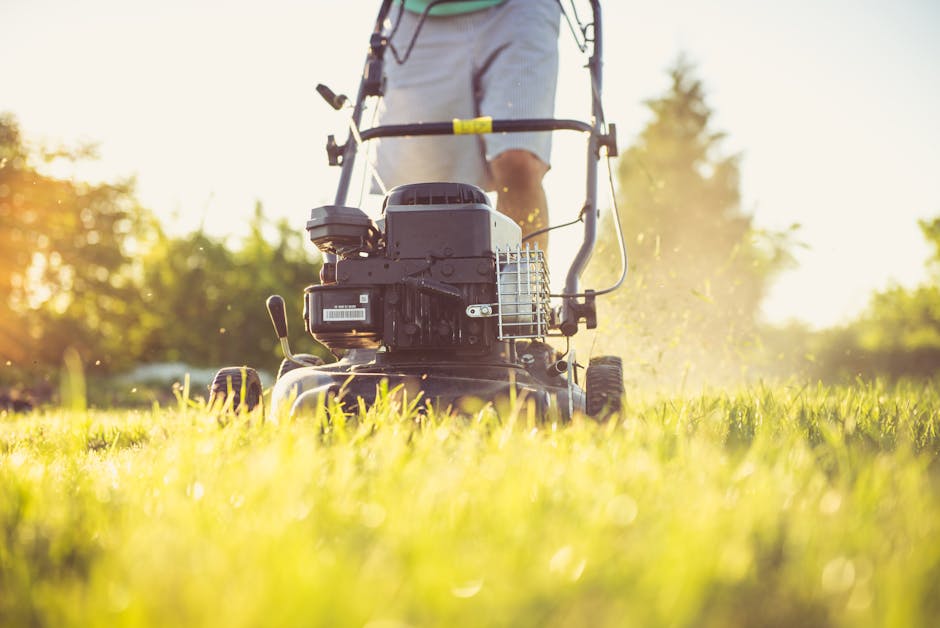
| Grass cutting | Compact mower or trimmer | Easier to move through narrow spaces and around edges |
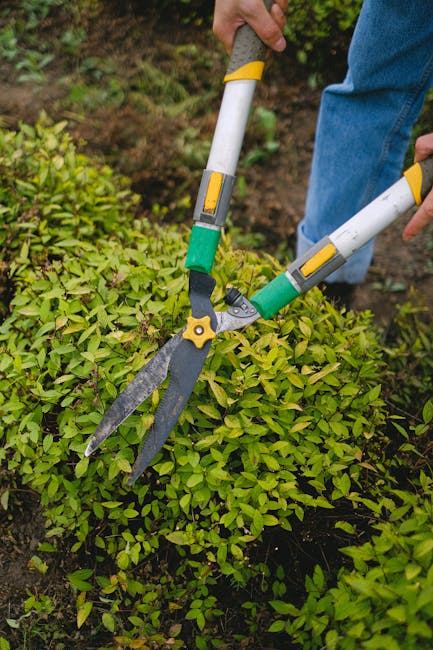
| Edging | Hand shears or edging tool | Gives a clean finish without disturbing nearby plants |
| Weed control | Hand weeder or hoe | Targets small problem areas before they spread |
| Leaf clearing | Rake or leaf blower on a low setting | Quickly clears paths, patios, and corners |
| Pruning | Sharp secateurs | Better for precise shaping and healthy cuts |
| Surface cleaning | Brush, broom, or pressure washer used carefully | Keeps paving and hard surfaces tidy without overdoing it |
For household use, the best approach is usually to keep tools simple and well maintained. Sharp blades, clean handles, and sensible storage matter more than shiny kit. A blunt pair of secateurs will make a tiny job feel strangely exhausting, which is just rude, really.
If you need ongoing support rather than one-off help, a local provider with transparent service information can be useful. You can also check practical details like payment and security before booking, which is a sensible step whether the job is small or not.
For waste, consider whether clippings and cuttings can be composted or collected responsibly. Some gardens generate very little green waste, but even a few bags a month add up. Good disposal is part of good maintenance.
Law, Compliance, Standards, or Best Practice
For most small-yard garden maintenance, there is no heavy legal complexity. Still, there are a few standards and common-sense expectations worth respecting, especially if work is being done professionally or if the garden is shared with others.
Health and safety matters whenever tools, ladders, sharp blades, chemicals, or slippery surfaces are involved. A responsible provider should have a clear approach to risk, especially if they are working in tight access spaces or near public footpaths. You can review a company's health and safety policy for reassurance.
Insurance is another practical consideration. If someone is working on your property, you want to know they have appropriate cover in place. That is simply part of hiring with confidence. A dedicated insurance and safety page can help explain how a business approaches this.
Waste handling should be sensible and compliant with local expectations. Green waste, packaging, and broken items should not just be dumped. Responsible disposal or recycling is better for the environment and avoids hassle later on.
Accessibility and fair service also matter. If a yard has narrow access, steps, shared entryways, or limitations for the resident, the service should be planned accordingly. That is one reason it is useful to check a provider's accessibility statement and general service terms.
For bigger jobs or regular maintenance, having written expectations around scope, timing, and payment helps everyone. It keeps things neat, which is exactly what the garden is supposed to be doing too.
Options, Methods, or Comparison Table
Not every small yard needs the same maintenance style. The best option depends on how much time you have, how fussy the garden is, and whether you want a polished finish or just a tidy, manageable space.
| Approach | Best for | Pros | Trade-offs |
|---|---|---|---|
| DIY weekly care | People with time and basic tools | Low cost, flexible, hands-on control | Easy to fall behind if life gets busy |
| DIY occasional reset | Low-use gardens | Simple and cheap in the short term | Can become overwhelming if neglected |
| Scheduled professional maintenance | Busy households and rental properties | Consistent results, less effort, better neatness | Ongoing service cost |
| One-off tidy-up then light DIY | Gardens that need a fresh start | Good reset without committing long term | Needs follow-up to stay tidy |
For many people in compact urban homes, a mixed approach works best. Let professionals handle the heavier or less enjoyable tasks, then keep an eye on everyday tidying yourself. That way you get the benefit without feeling like you have taken on a second job.
If you are gathering options, a clear services overview can help you compare what is included, and a transparent pricing and quotes page can make budgeting much easier.
Case Study or Real-World Example
Picture a narrow rear yard behind a terrace near Seven Sisters. It has a small strip of grass, two raised beds, a patch of paving, and a fence line where a climber has started to wander. Nothing dramatic. Just one of those spaces that looks fine from a distance, then somehow messy the moment you step outside.
The owner had been doing the maintenance in bursts. A mow here, a weed pull there, then nothing for three weeks, then a big tidy-up when guests were coming. The problem was not a lack of effort. It was the rhythm. The grass became uneven, the paving joints filled up, and the raised beds started to look scruffy at the edges.
The fix was straightforward. The yard was cleared, the grass cut to a sensible level, the borders edged, the climber trimmed back, and the paving weeded. After that, the maintenance plan changed to lighter, more regular visits: quick mowing, edging, debris removal, and a monthly review of the plant growth. The garden did not become "perfect" because, honestly, who has the time for perfect? But it became calm, usable, and much easier to live with.
That is the real lesson. Small yards usually do not need dramatic intervention. They need consistency, tidy boundaries, and a bit of attention before things get away from you.
Practical Checklist
Use this checklist to keep a compact garden in good shape.
- Walk the yard and spot obvious issues first
- Remove litter, broken items, and fallen debris
- Cut grass, edges, and overhanging growth
- Weed paving, borders, and corners
- Check for moss, damp patches, or drainage problems
- Prune plants carefully so they keep a natural shape
- Clear and dispose of green waste properly
- Wipe down or sweep hard surfaces
- Review whether anything needs replacing or replanting
- Set a simple follow-up schedule before the garden slips again
Quick rule: if a task takes less than ten minutes and improves the whole space, do it now rather than "later." Later has a funny habit of disappearing.
Conclusion
A small yard near Seven Sisters does not need endless effort to stay attractive. It needs a practical routine, a light hand, and a bit of discipline around the basics. Keep the edges neat, remove clutter early, stay on top of weeds, and match the plant care to the space you actually have. That is really the core of a good Seven Sisters station garden maintenance guide for small yards.
Whether you are maintaining your own garden or looking for dependable local help, the aim is the same: make the space easier to enjoy and simpler to keep in order. Small gardens can be lovely. In a way, they are easier to appreciate because every tidy line and healthy plant stands out.
Get a free quote today and see how much you can save.
And if the yard is currently looking a little tired, do not worry. Most small spaces respond beautifully once they are given a proper reset. A quiet, tidy garden can lift a whole home in a way that is hard to explain, but easy to feel.
Frequently Asked Questions
How often should a small yard near Seven Sisters be maintained?
For most small yards, light maintenance every one to two weeks works well in spring and summer, with less frequent visits in colder months. The exact timing depends on grass growth, shade, and how much the space is used.
Is a small yard easier to maintain than a larger garden?
Usually yes, but only if the routine is steady. Small yards can become untidy quickly because every part of the space is visible. A missed weed or overgrown edge stands out much more than it would in a larger garden.
What is the most important job in small-yard garden maintenance?
It depends on the layout, but edging, weed control, and regular cutting are often the biggest difference-makers. These tasks create the tidy, open feel that makes a compact space work well.
Can I manage a small yard myself, or should I hire help?
If you have the time, tools, and energy, DIY can work well. If the space keeps getting out of hand, or you do not enjoy the work, professional help is often more cost-effective than letting the garden slide and then facing a big reset.
What tools do I really need for a small garden?
A compact mower or trimmer, secateurs, a hand weeder, a broom or rake, and basic gloves will cover most jobs. You do not need a huge tool collection for a modest yard, and too much kit can become clutter.
How do I stop weeds coming back in paving and borders?
Remove them early, before they seed, and keep an eye on cracks and joints. A regular sweep and occasional hand-weeding is often more effective than waiting for a major weed problem to develop.
What should I do with grass cuttings and green waste?
Use composting where suitable, or arrange responsible green waste disposal. Small amounts may not seem like much, but regular maintenance produces more waste than people expect.
Are there safety issues with garden maintenance in a small yard?
Yes, especially where there are slippery surfaces, tight access, sharp tools, or uneven ground. If a professional is doing the work, it is sensible to look for clear safety practices and insurance cover.
What kind of maintenance schedule works best for rental properties?
Regular, simple upkeep is usually best. For rentals, the garden should look neat enough to support the property's presentation without requiring complex specialist care every time.
How do I keep a tiny yard from feeling cramped?
Keep the planting simple, avoid unnecessary clutter, and maintain clear edges. Light, open sightlines make a small space feel bigger, even if the footprint has not changed at all.
Is winter maintenance needed for small yards?
Yes, though it is lighter. Winter is a good time for clearing leaves, checking drainage, protecting delicate plants, and making sure hard surfaces are not becoming slippery or blocked.
Where can I find more information about services, pricing, and support?
You can review the provider's service details, check quotes and pricing, and look through pages on insurance and safety and recycling and sustainability for a fuller picture.